
Home › Forum › Ask A Member › Early 50 to 53 evinrude outboard questions. › Re: Early 50 to 53 evinrude outboard questions.

Ergie Ergins’ outboard of the future – in 1948 . . . 😆
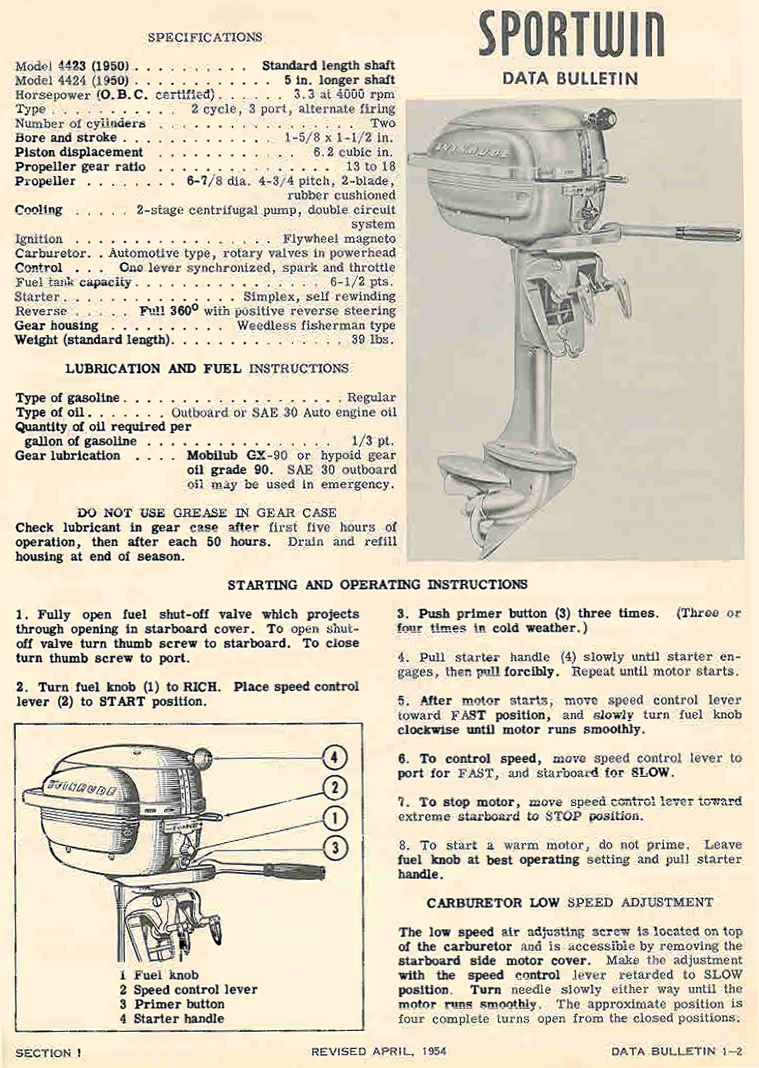
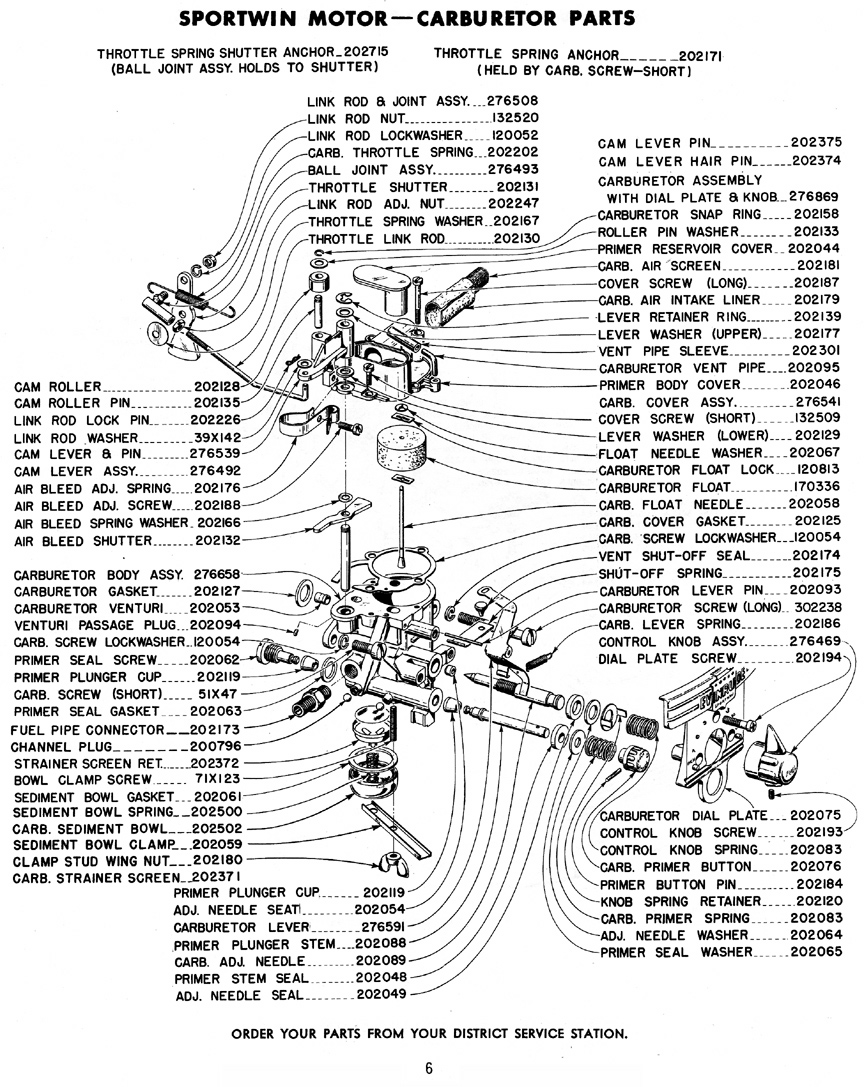
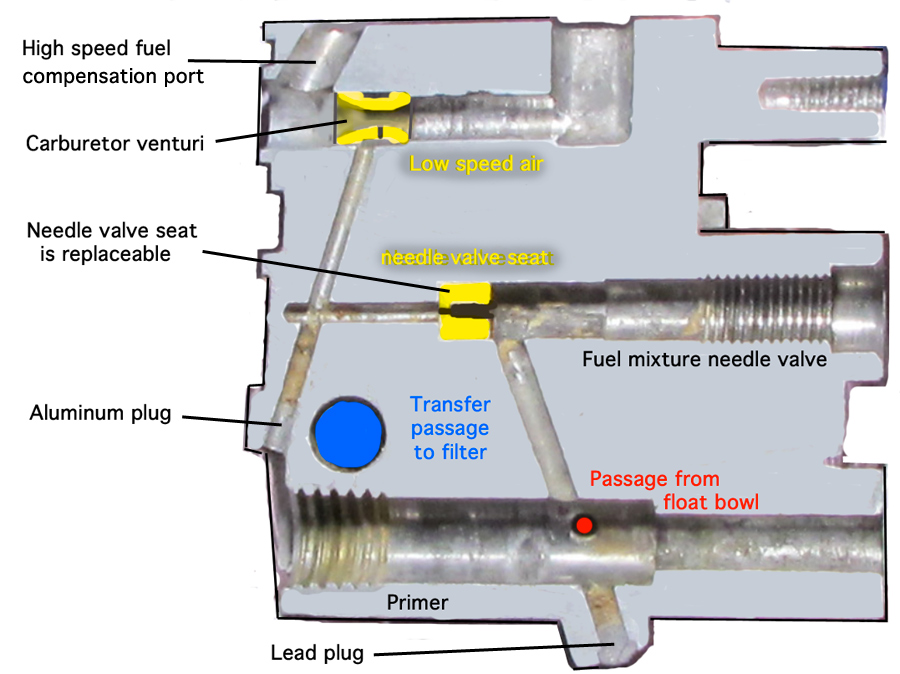
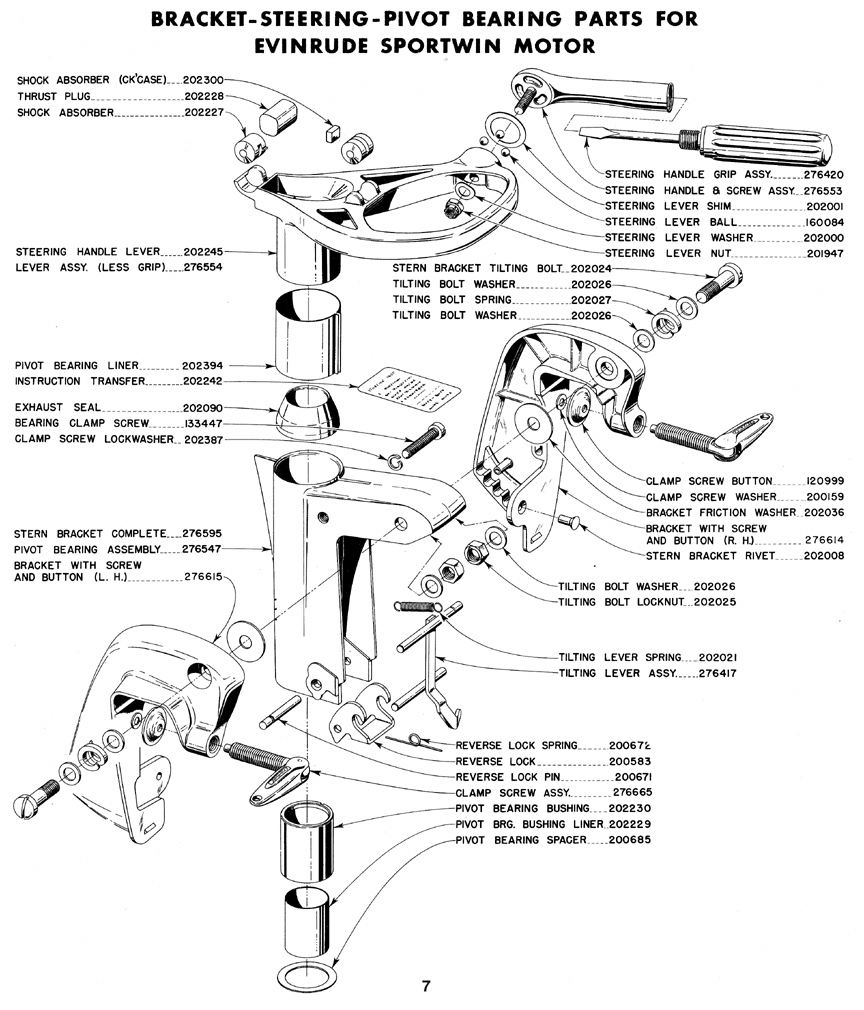
A lot of great ideas – some worked better than others. I liked the screw driver in the tiller. So did Carl Kiekhaefer who quickly offered them on his Mercurys. I liked the ball bearing top main, usually the hardest one to lubricate. It was the first with the new Alnico magnets in the magneto. Also the first with good enough seals in the gearcase to use oil for lubrication. It was theorized fuel leaks were caused by excessive pressure in the fuel tank so a built in rubber expansion chamber was added to the tank. They changed the way they were held in the tank when one blew out in testing. They still leaked in the Florida heat and they were eliminated in later motors. In his determination to build the ultimate carburetor, Ergie rented space on the University of Pennsylvania’s digital computer (one of only three in the world at that time) In the first case of CAD (Computer Aided Design) in the outboard industry. His desire was to make it fool proof by having one mixture control for the complete range of speeds. It is the most complicated simplification I have ever seen. The sincronazation between the two shutters is what makes it work, This adjustment is partially hidden by the fuel tank and only found after removing the starboard motor cover. It more or less takes the place of the low speed needle valve. The fuel gage was made of a plastic that was dissolved by carburetor cleaner. So was the filter bowl under the carburetor. These were later replaced by glass that went into 1000 pieces when they fell on a concrete floor. They are essentially a third port motor (Like the Johnson five horse TD) and can rust in a damp environment if the magneto lever (speed controll) is not kept in the "stop" position. This closes the third port shutter and helps keep moisture out of the crank case. It also closes the are vent (on the port side) and pulls up on the carburetor inlet needle valve. Early motors had the fuel shut off valve in the carburetor. This was later moved the the fuel tank with a hole in the starboard motor cover for the handle. (Numerous complaints from people who didn’t read the Owners Manual and didn’t know about the shut off valve) 😆