

Home › Forum › Ask A Member › 1952 Johnson Seahorse qd 13 › Re: 1952 Johnson Seahorse qd 13

Nick,
You are correct. Pressure testing is done to check for leaks. I have heard it best to check at around 6 psi and again at around 10 psi. Let it sit with pressure in it for an hour or so and see how much it loses over that time. I like to also rotate the drive shaft, prop shaft, and shift the shift rod while it’s under pressure to see if that induces leaks.
To perform the pressure test, first drain the gearcase. With one of the plug screws still in place screw the tester into the other. Bring the pressure up to the low reading and check it after an hour or so. If it holds raise the pressure to the higher reading and check again after an hour or so. If it holds, all is well. If it leaks down much, there is a problem with the seals. You can submerge the gearcase in a bucket of water or use soapy water in a sprayer to find the leak(s). I even sometimes use spray oil to look for bubbles.
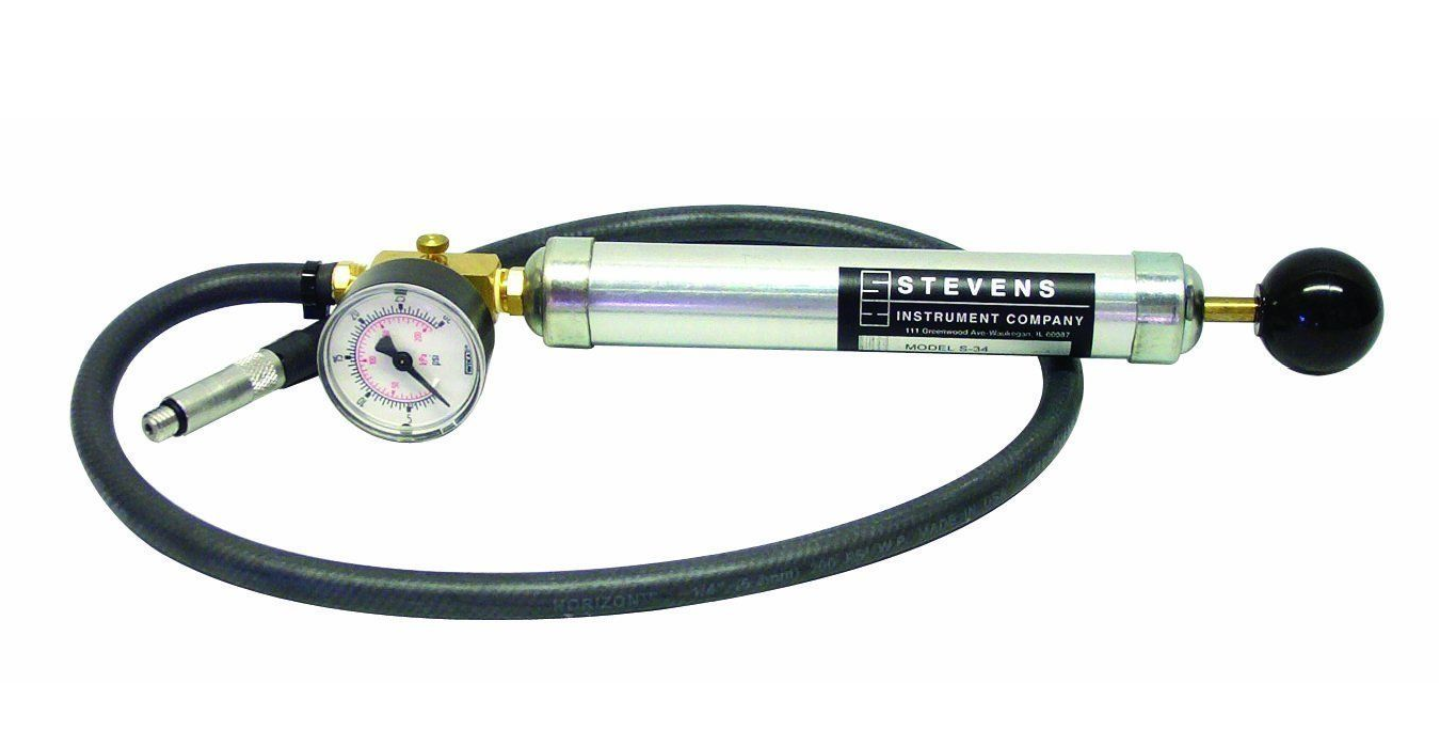
An honest to goodness pressure tester for gearcases is a rather expensive instrument. I have not yet sprung for one, but I may sometime for convenience. I made mine in my shop from a piece of aluminum round bar, a 0-15psi air gauge, and a air tank valve from the hardware store. I have about $15 and a couple hours in mine and it does fine.
If you do not have one, just inspect your gear oil and make sure there is no water in it. When you change the oil and have run the motor again, check the oil.for water again after the motor has hung on the transom or a stand for a couple days and see if you get water or milky oil out of it. As long as its keeping water out, you’re OK.
Here is a picture of a Steven’s pressure tester.
I’ll takea picture of my creation and post it tonight when I can get to the shop.
-Ben
OldJohnnyRude on YouTube