

Home › Forum › Ask A Member › 1936 Sportfour Imperial Electric, Model 9017 › Reply To: 1936 Sportfour Imperial Electric, Model 9017

The lever sticking out is not a magneto or timer advance, its just a starter lever, that’s all it does.
Its correct that these motors were positive ground 12 volt, except the Johnson SE and VE, which were six volt units. Don’t ask me why because I can’t tell you.
The rotor of the starter-generator is seated on the crankshaft the same was a flywheel is mounted. The rotor is the flywheel on these motors, thus is tightened in place by the usual flywheel nut. Its buried within the rotor beneath the timer plate.
FWIW, Sam Vance and I had a long discussion about the voltage regulators on these motors, and we were both of the opinion that the longevity of the unit is better served with the voltage regulator taken out of the circuit and the charging circuit disabled. If the points on the regulator stick together, and you happen to be running at high speeds on a hot day, it can cause an overcharge/overheat condition with the distinct possibility of the rotor windings becoming hot enough to soften and throw the solder that keeps things together. If that happens, your engine stops instantly and you have a rats nest of copper winding to sort out and remove. Needless to say, your Owen-Dyneto unit is scrap metal at that point. It’s the leading cause of these units having been removed and replaced with flywheel magnetos. There are many examples of Evinrude, Elto, and Johnson motors out there that have model numbers that show it to be an electric start but the motor is fitted with conventional flywheel or battery ignitions.
Attaching pix of a Johnson SE-50 just for shits and giggles.
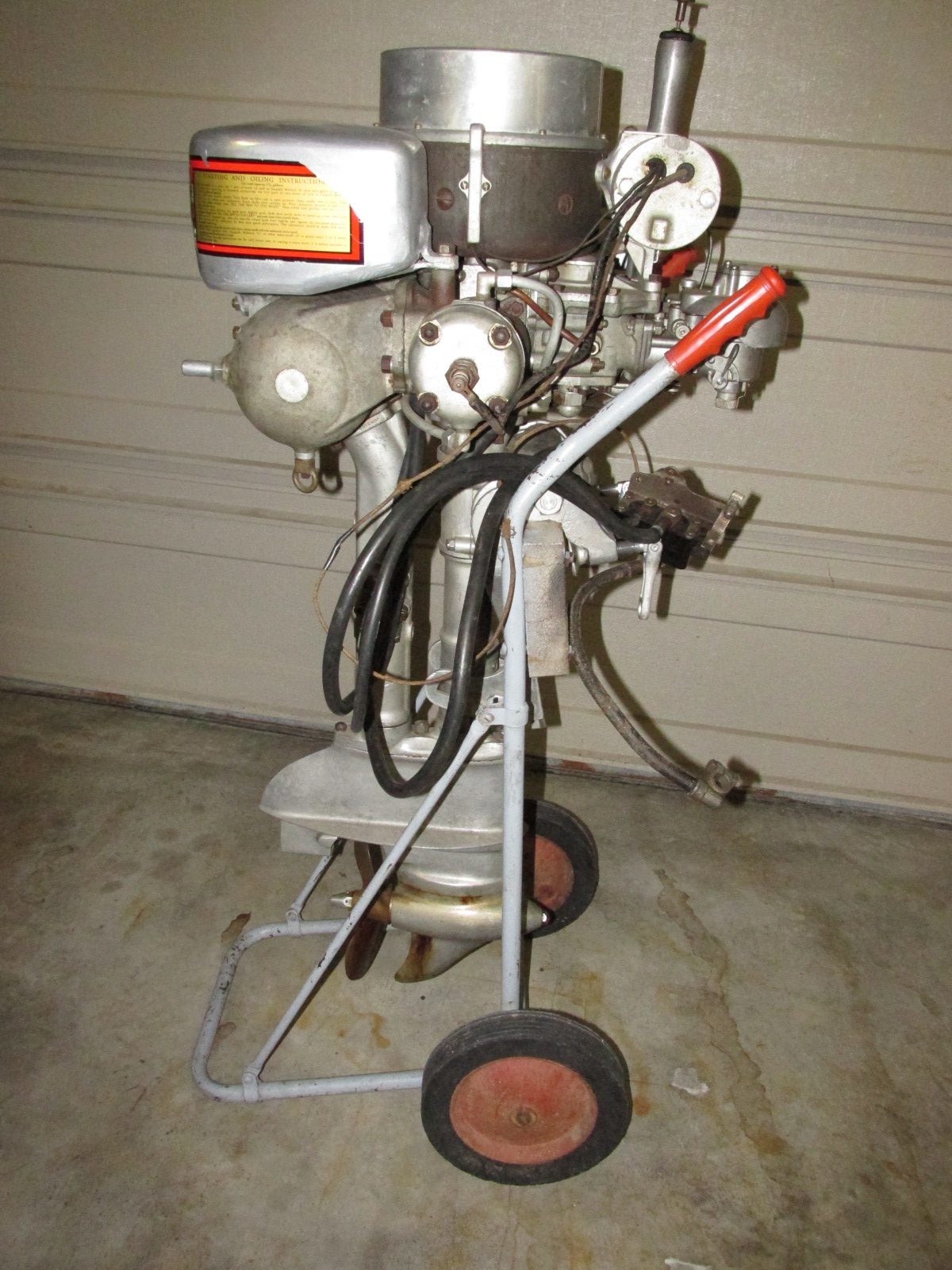
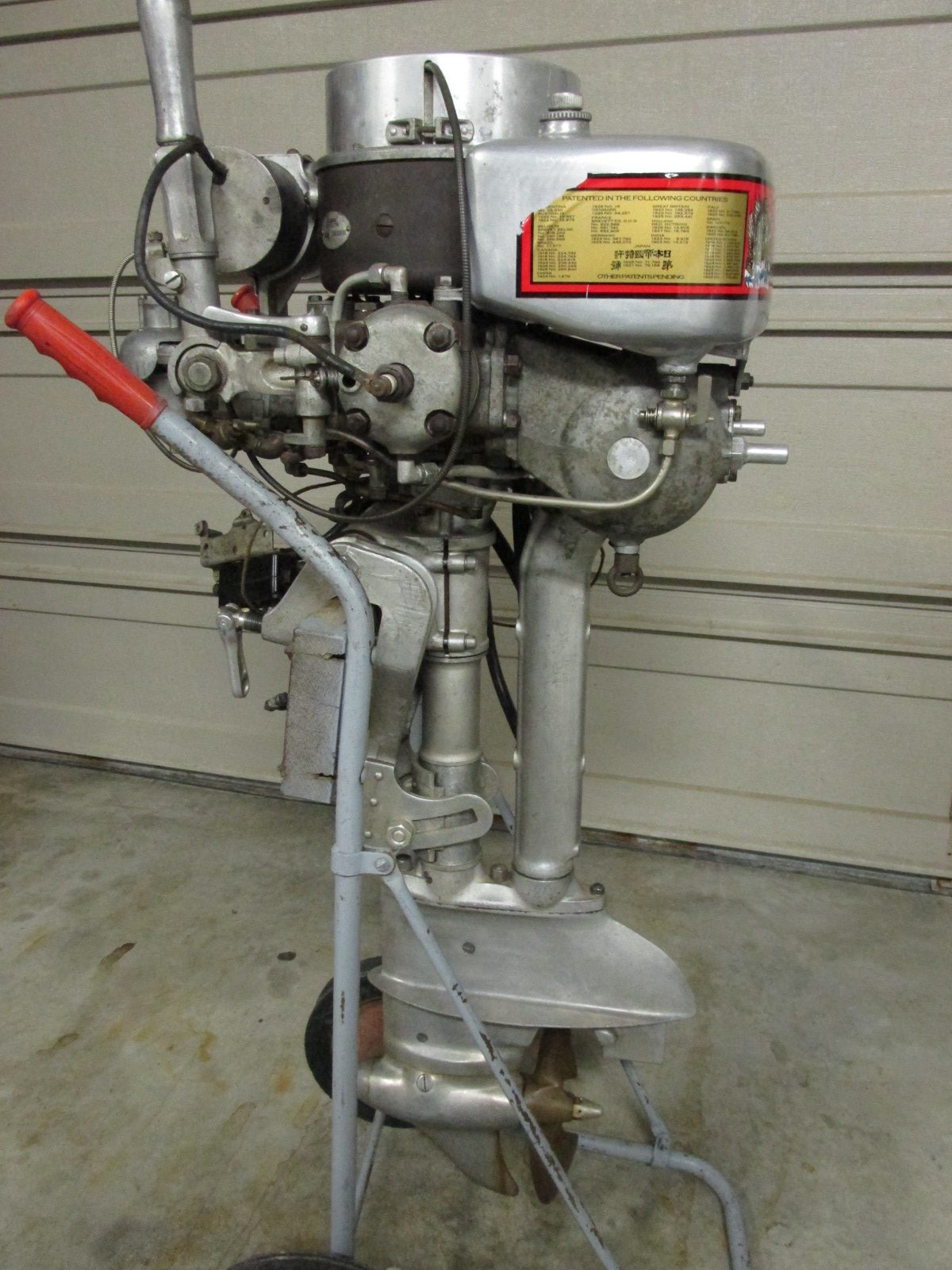
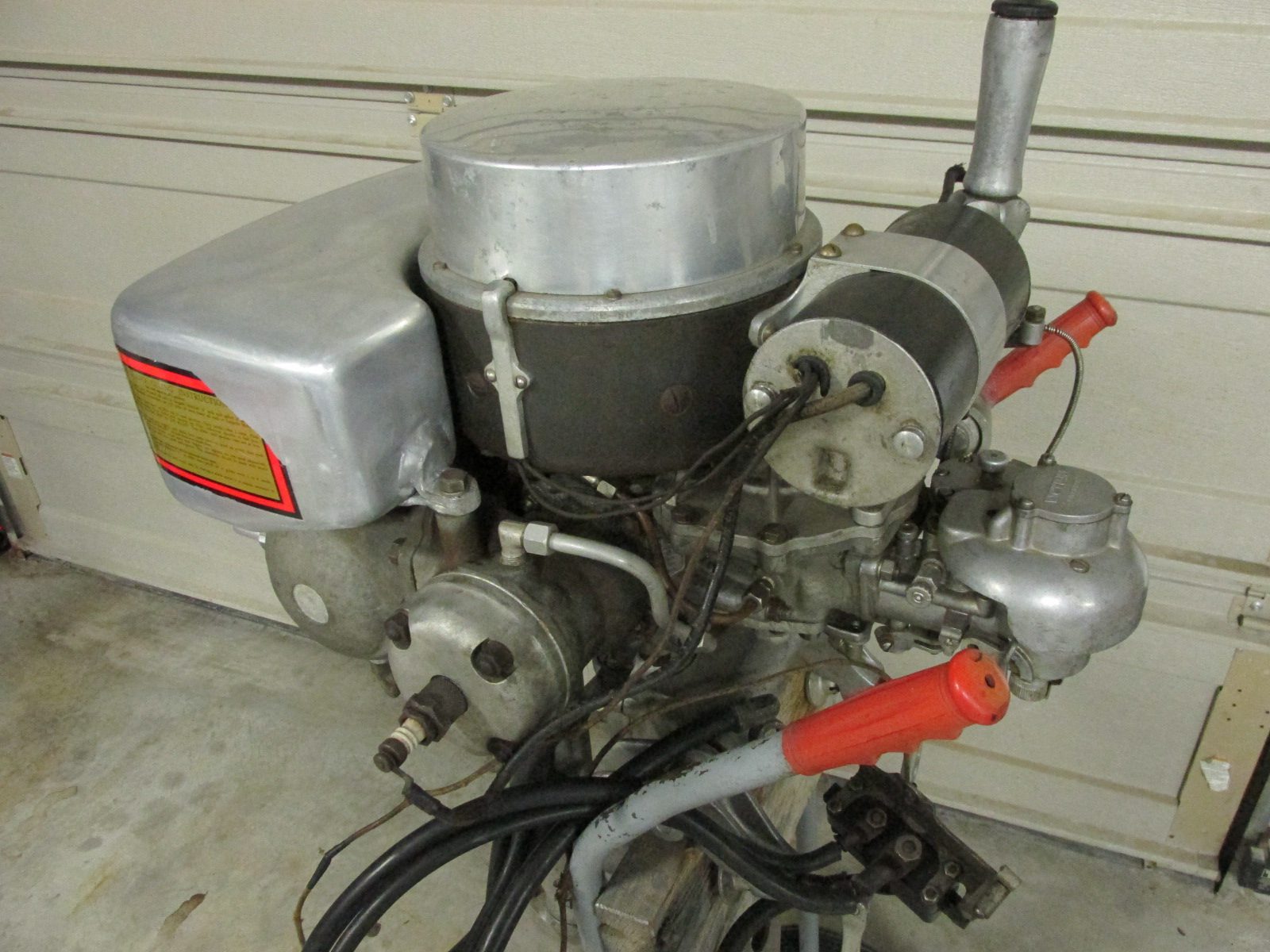
Hope this helps.
Best,
PM T2
He's livin' in his own private Idaho..... I hope to go out quietly in my sleep, like my grand-dad did..... and not screaming, like the passengers in his car...