

Home › Forum › Ask A Member › compression 57 3 hp Johnson › Reply To: compression 57 3 hp Johnson

Here are a few pictures of the compression tester that I use.
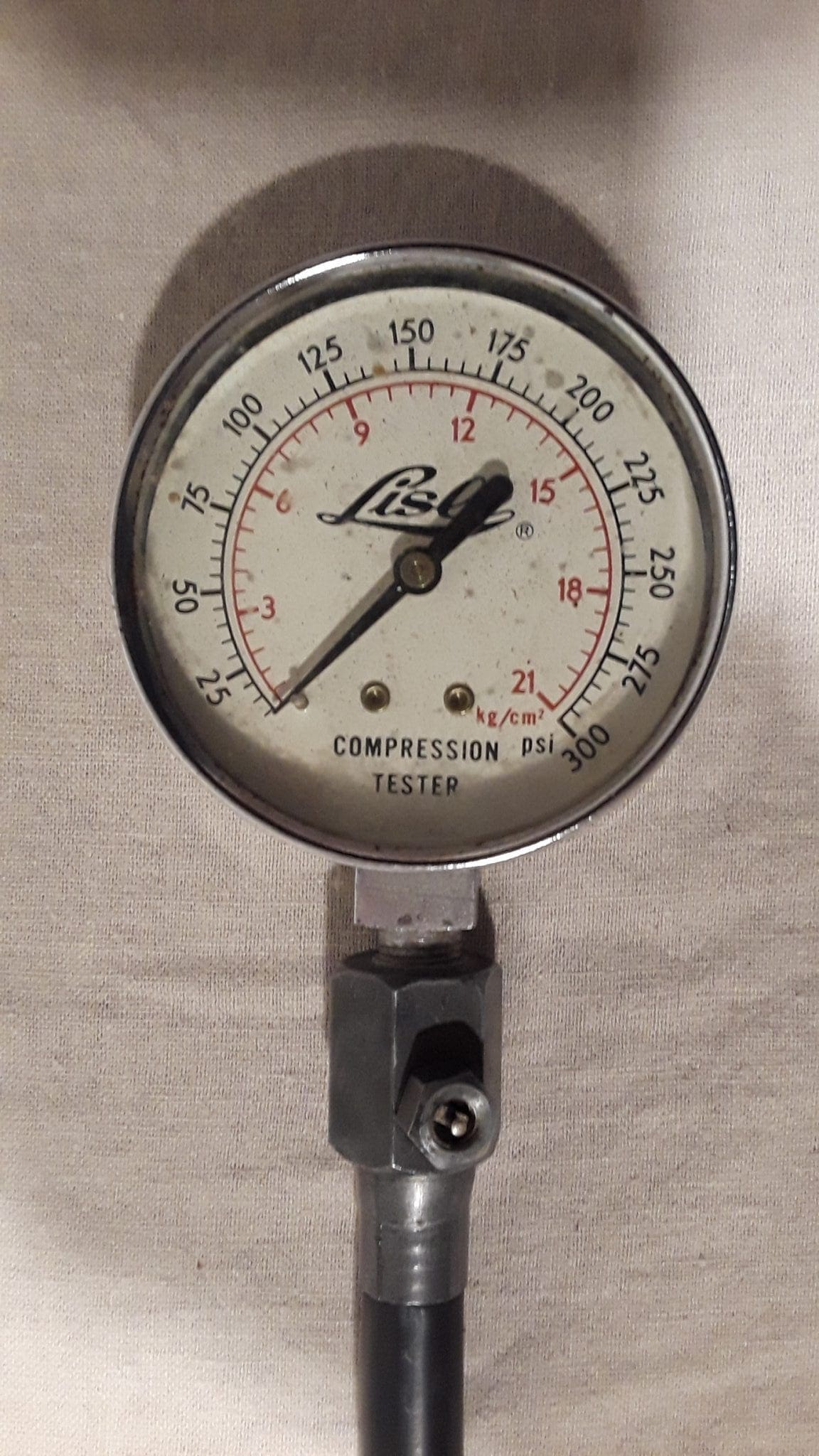
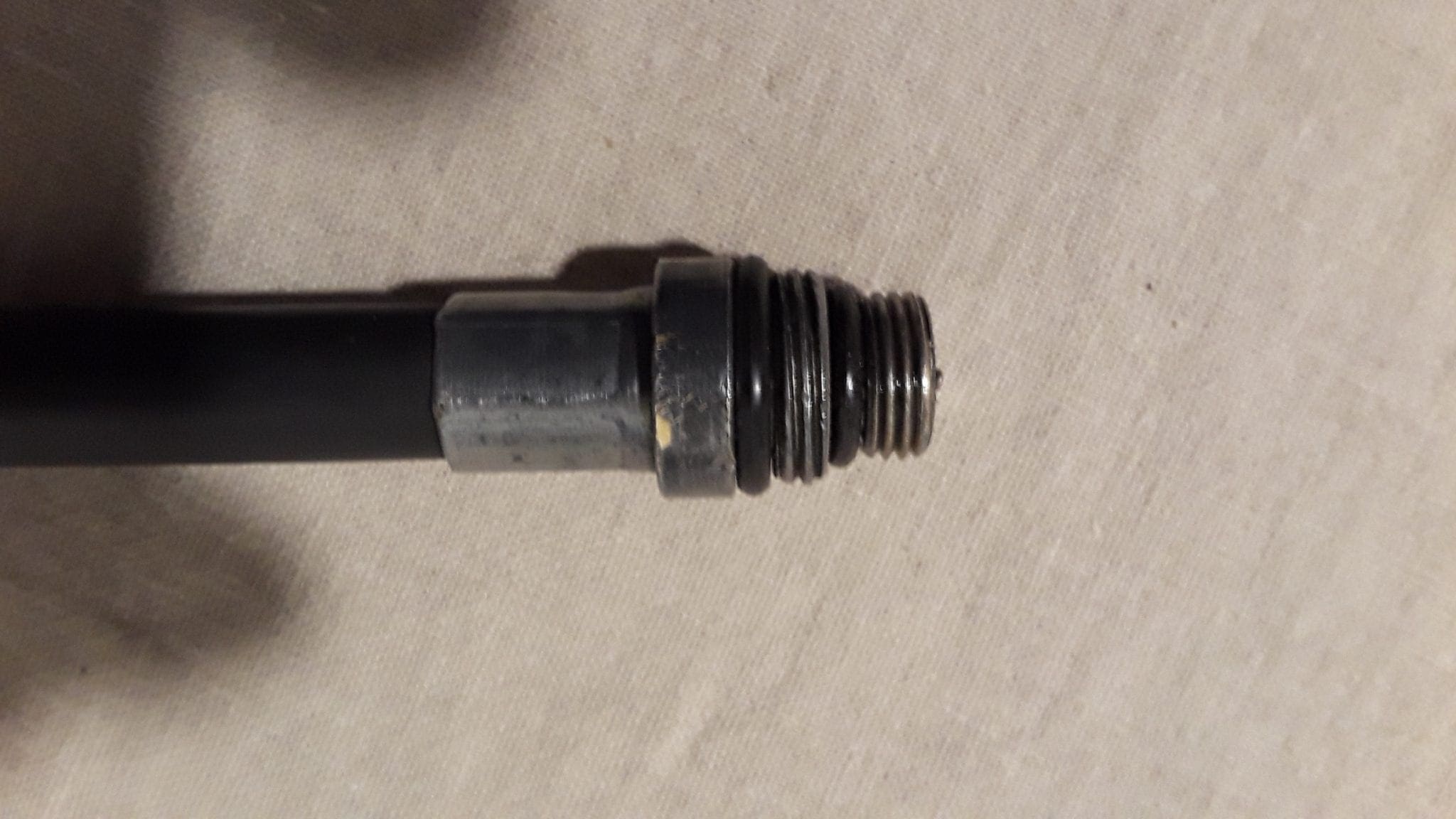
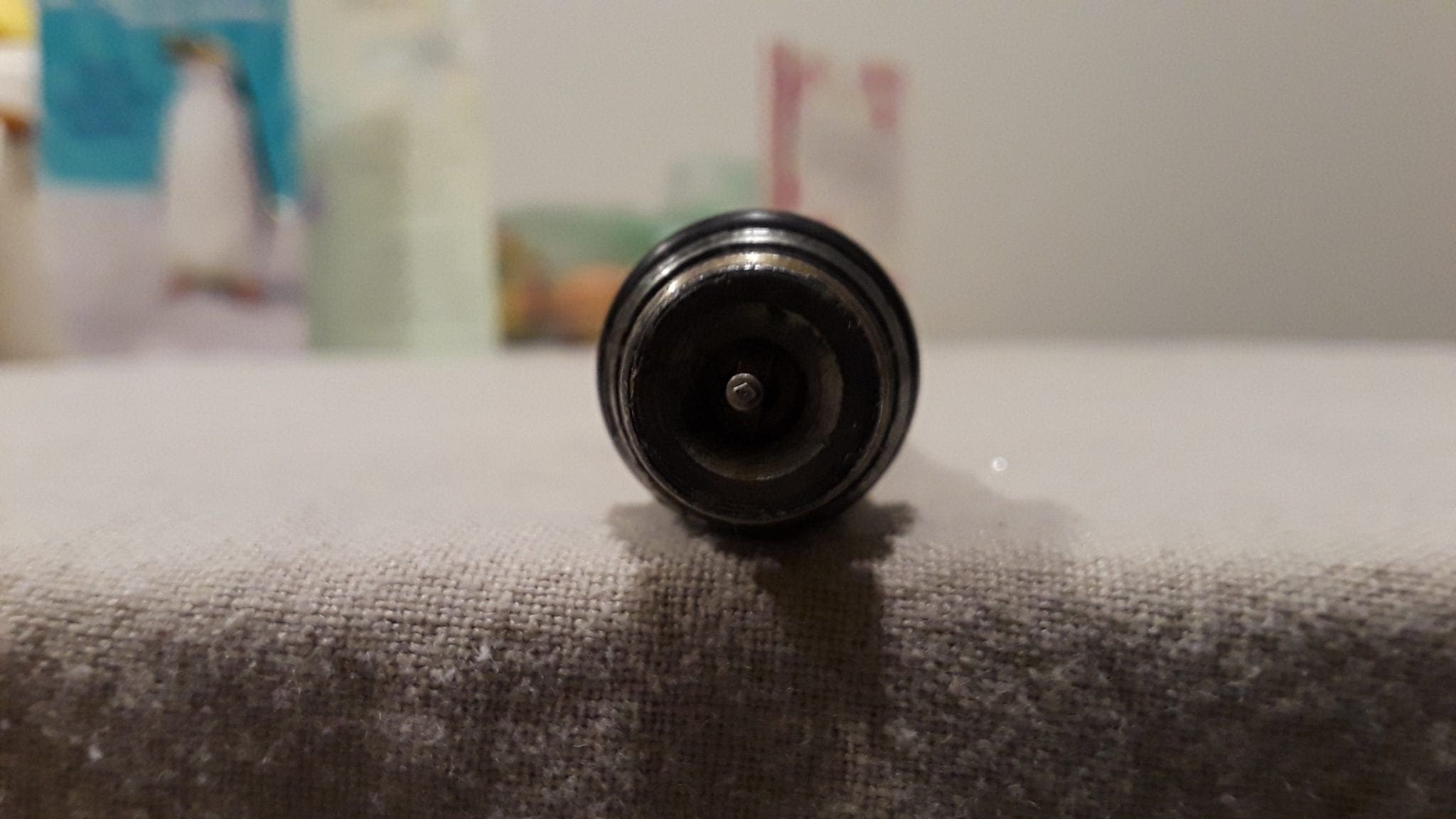
It looks like the check valve is at the fitting, not at the gauge. In this case, this makes the hose and gauge a sealed system that only accepts greater pressure from the other side of the check valve. Air is always trying to seek equilibrium or equal pressure. As the piston reaches the top of it’s stroke, the maximum pressure is generated. Some of this pressure will enter the tester hose through the check valve, but only if the supplied pressure is greater than the pressure within the hose. Once the hose and gauge are pressurized to the maximum PSI that the piston can generate, the pressure will stop increasing in the tester because equilibrium has been reached. This is the reason why the gauge will top out after so many pulls of the starter rope.
The concept of equilibrium also explains why a pressure tank can be pressurized by the crankcase, but only to the 5 or so PSI that the crankcase generates. Just as the piston tops out on compression, so does the crankcase. Just as the compression tester reaches maximum PSI, so does the tank. There are other more significant sources of vapor pressure in sealed tanks, namely heat and agitation, but those are separate issues. I’m hoping this explains things a little bit better. Maybe we have a club member with a PhD in Fluid Mechanics that can set the record straight!
Improvise-Adapt-Overcome